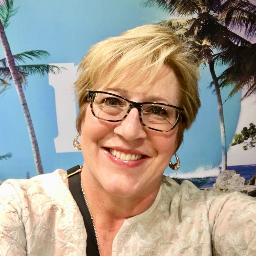
Therapist profile
Suzanne Walker, LCMHC
North Carolina
LCMHC - Anger and Stress support
Continue with SuzanneKey details
- CredentialsLCMHC
- LicenseLCMHC, North Carolina / 2238
- NPI1881750347
- Experience38 years
- LanguagesEnglish
- LocationNorth Carolina
About
- Person-centered approach
- CBT and ACT methods
- Military life understanding
About Suzanne
Suzanne Walker is a Licensed Clinical Mental Health Counselor (LCMHC) in North Carolina with 38 years of clinical experience. She works with adults on a wide range of concerns, including anger, stress, anxiety, addictions, grief, depression, ADHD, relationship and intimacy-related issues, and career or life transitions.
Suzanne explains that talking with a counselor brings a nonjudgmental perspective and helps people process difficult situations. She emphasizes the role of choice - helping people see options and decide what matters to them when decisions feel hard. She names the relationship between client and counselor as the core ingredient that makes change possible.
Her background includes long experience as a clinician and a clinical supervisor. She has worked in civilian community settings and with the U.S. military as a Department of Defense provider. She also has personal experience as a military family member and draws on that understanding when supporting people affected by military life.
Suzanne uses a person-centered stance that focuses on listening, asking questions, and offering observations to build a plan together. She has worked across the age span and with many cultures and lifestyles, and she notes particular familiarity with issues facing LGBTQ+ people and their allies.
She draws on multiple approaches to meet practical needs, including cognitive behavioral ideas, acceptance and commitment strategies, attachment-focused work, and skills from dialectical behavior therapy. Together with the person she will consider what methods fit best and then plan next steps.
To start, she asks people to complete a short matching questionnaire and schedule an initial session so they can discuss goals and agree on how to proceed.
How sessions work
Therapeutic approaches and online work
Suzanne uses cognitive behavioral therapy (CBT) to identify unhelpful thinking and behavior patterns and try practical changes. CBT is often used for anxiety, anger, depression, and sleep or eating concerns.She also uses Acceptance and Commitment Therapy (ACT) to help people clarify values, accept uncomfortable feelings, and commit to workable actions. ACT can be helpful when frustration or rumination gets in the way of daily life.
Finding the right approach is part of the work. Suzanne will talk with each person about goals, preferences, and what has or has not helped before. Together they decide which methods to try and adjust the plan as progress is made.
The biography does not list specific session formats, so confirm available online options before booking. Online sessions can make it easier to fit counseling into a workday, reduce travel time, and allow shorter check-ins when needed. Therapists can adapt techniques such as skill practice, guided exercises, and behavioral experiments to the online setting to keep work focused and practical.
Areas of focus
Areas of expertise
Also works with
Additional focus areas
Therapeutic approaches
Experience
38+ years
Listed in
North Carolina
Languages
English
Questions
Frequently asked questions
What kinds of problems does she help with?
She works with a broad range of concerns including anger, stress, anxiety, addictions, trauma, grief, depression, ADHD, relationship and intimacy-related issues, and life changes.
How would she approach anger or temper issues?
She combines a person-centered stance with practical methods such as cognitive behavioral techniques, acceptance and commitment strategies, and DBT skills to help people recognize patterns and try different ways of responding.
How much clinical experience does she have?
She has 38 years of experience as a clinician and clinical supervisor, working in community settings and with the U.S. military.
What are her credentials and where is she based?
She is a Licensed Clinical Mental Health Counselor (LCMHC) licensed in North Carolina and practices from that state.
Can I work with her if I live outside the United States?
She accepts international clients; sessions are offered in English.
What session formats are available?
Session formats are not specified in the biography; confirm current session options before booking to know how she conducts meetings.
How are fees handled?
Cost varies with location; sessions use a subscription that can be canceled at any time.
How do I begin working with her?
Start by selecting the See online therapy options button, complete a short matching questionnaire, and then schedule a first session to discuss goals and next steps.
Details come from information the therapist supplied to BetterHelp. A license can be checked with the state board.
Online talk therapy is not emergency care. If anyone is unsafe, use the crisis numbers.