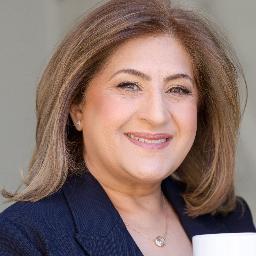
Counsellor profile
Tayyauba Sheikh, BACP, NCPS
United Kingdom
Counsellor - Relationships and Anger
Continue with TayyaubaKey details
- CredentialsBACP, NCPS
- RegistrationBACP, United Kingdom / 394434; NCPS, United Kingdom / NCS24-06053
- Experience4 years
- LanguagesEnglish, Hindi, Punjabi, Urdu
- LocationUnited Kingdom
About
- Attachment work
- Emotion-focused
- Mindfulness skills
About Tayyauba
Tayyauba Sheikh is a counsellor registered with BACP and NCPS in the United Kingdom, with four years of professional experience. She works with adults facing stress, anxiety, grief, relationship and family concerns, parenting strain, and issues around anger and self-esteem.
She uses talking therapy as her main approach and will collaborate with medical treatment when that is appropriate for a client. Sessions focus on clear conversation about what feels difficult now and practical steps to change patterns that cause repeated problems.
Her background includes helping people manage bereavement, workplace and life stress, and conflict in close relationships. She also supports people dealing with addictions, trauma and intimacy-related concerns, and those navigating career changes or caregiving pressures.
Her work draws on approaches such as Attachment-Based Therapy, Client-Centred Therapy, Emotionally-Focused Therapy and Mindfulness. That means attention to how relationships shape feelings, helping clients name emotions, and using mindful awareness to reduce reactivity.
Tayyauba aims to plan sessions around the client’s needs. Conversations typically look at triggers, communication patterns, and small experiments to test new ways of behaving. She encourages practical skills alongside reflection so people can notice steady change in day-to-day life.
How sessions work
How her approaches translate to online work
Attachment-Based Therapy looks at how early and current relationships influence feelings and reactions. Online sessions using this approach help people notice patterns in close relationships and practise different ways of connecting.Emotionally-Focused Therapy focuses on identifying and expressing core emotions. In remote sessions this can help with anger, hurt and intimacy issues by naming feelings and rehearsing new responses.
Mindfulness Therapy teaches simple attention practices to reduce reactivity and increase clarity. Short guided exercises in sessions can become tools to use during stressful moments.
Finding the right approach is part of the work. The therapist will collaborate with the client to choose methods that match their goals, preferences and the problems they want to solve. That might mean combining attachment ideas with emotion work and mindfulness exercises.
The biography does not list specific session formats, so confirm the current options before booking. Online work can make it easier to fit therapy into a busy week, allow shorter check-ins when needed, and avoid travel time. Registered and accredited professionals use these practical benefits to help clients build consistent habits and clearer responses to anger and relationship stress.
Areas of focus
Areas of expertise
Primary focus
Also works with
Additional focus areas
Therapeutic approaches
Experience
4+ years
Listed in
United Kingdom
Languages
English, Hindi, Punjabi, Urdu
Questions
Frequently asked questions
What kinds of concerns does she help with?
She works with stress, anxiety, grief, relationships, parenting, anger, self-esteem and related life changes.
What is her therapeutic style?
She focuses on talking therapy using client-centred, attachment and emotionally-focused approaches with mindfulness and psychodynamic ideas.
How much clinical experience does she have?
She has four years of professional experience working with adults in the UK.
What are her credentials and where does she practise?
She is registered with BACP and NCPS and practises in the United Kingdom.
Which languages are supported in sessions?
Sessions are offered in English, Hindi, Punjabi and Urdu.
Can international clients work with her?
She does not accept international clients at this time.
How are sessions arranged and what formats are available?
Session formats are not specified in the biography; please confirm current session options before booking.
How much do sessions cost and how do payments work?
Cost varies with location and sessions use a subscription that can be cancelled at any time.
Details come from information the counsellor supplied to BetterHelp. A registration can be checked with the body that issued it.
Online talk therapy is not emergency care. If anyone is unsafe, use the crisis numbers.