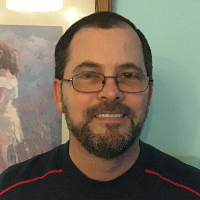
Therapist profile
Adam Beyer, LMSW
Michigan
LMSW in Michigan - anger and stress work
Continue with AdamKey details
- CredentialsLMSW
- LicenseLMSW, Michigan / 6801072699
- NPI1043253164
- Experience28 years
- LanguagesEnglish
- LocationMichigan
About
- Acceptance and Commitment Therapy
- Cognitive Behavioral Therapy
- Telemedicine experience
About Adam
Adam Beyer is a Licensed Master Social Worker (LMSW) in Michigan with 28 years of clinical experience. He works with adults on a wide range of concerns including anger, stress, anxiety, trauma, depression, addiction, relationship and parenting issues. Sessions use practical conversation and skills rather than labels or jargon.
He emphasizes how physical and emotional health connect. He draws from Acceptance and Commitment Therapy (ACT), cognitive behavioral approaches, client-centered work, emotionally-focused ideas, and existential perspectives. That means sessions often include noticing thoughts and feelings, testing behaviors, and clarifying what matters most to the person.
Adam has extensive experience with telemedicine and remote work. He uses mindfulness-based cognitive ideas and solution-focused tools to help people manage difficult moments and recurring patterns. The focus is on small, usable steps - what to try between sessions and how to check progress.
In conversation he aims to help people locate their own answers and set achievable goals. Practical skills for managing anger, reducing reactivity, and repairing strained relationships are common topics. He also supports people coping with grief, chronic illness, caregiving, and changes that come with aging.
People who want straightforward skill-building and reflective conversation about values and behavior may find his approach a fit. Before booking, confirm session formats and scheduling so they match real-life constraints.
How sessions work
How his approaches translate to online work
Acceptance and Commitment Therapy (ACT) focuses on values and willingness to feel difficult emotions while taking action toward what matters. It helps with anger by clarifying what kind of person someone wants to be and using that to guide real behavior choices. Cognitive Behavioral Therapy (CBT) looks at the links between thoughts, feelings, and behaviors and offers concrete strategies to test and change unhelpful patterns. That can reduce reactivity and lower escalation in tense moments. Client-centered ideas keep the conversation grounded in the person's perspective, using reflective listening to help people notice patterns and decide next steps.Finding the right mix of methods is part of the work. The therapist and client will look at goals, preferences, and how people respond to different tools. That collaborative process helps shape whether more values work, skills training, or reflective dialogue becomes the core of sessions.
The biography notes experience with telemedicine, but does not specify exact session formats here. Confirm which online formats are offered before booking. Online work can make it easier to fit sessions into a busy week, avoid travel, and try short check-ins when needed. It also supports working on real-life situations as they arise, so skills practiced in session can be tested and adjusted between meetings.
Areas of focus
Areas of expertise
Primary focus
Also works with
Additional focus areas
Therapeutic approaches
Experience
28+ years
Listed in
Michigan
Languages
English
Questions
Frequently asked questions
What kinds of anger issues does he address?
He works with snapping at loved ones, workplace frustration, simmering resentment, and responses to other people's anger. The focus is on skills to notice triggers and change reactions.
What is his general approach in sessions?
He blends ACT, client-centered methods, and CBT to combine values-based work with practical behavior change. Sessions typically include mindfulness, thought work, and action steps.
How much experience does he have?
He has 28 years of direct psychotherapy experience. That experience includes many years working with telemedicine.
What credential and location does he hold?
He is a Licensed Master Social Worker (LMSW) in Michigan. His practice is based in Michigan.
Does he work in languages other than English or with international clients?
Sessions are offered in English and he accepts international clients.
What session formats does he offer?
The original biography notes experience with telemedicine but does not list specific session formats. Confirm the current session options before booking.
How does cost work for sessions?
Cost varies with location and sessions use a subscription that can be canceled at any time.
How do I get started with him?
Select the See online therapy options button, complete a short matching questionnaire, and schedule a first session.
Details come from information the therapist supplied to BetterHelp. A license can be checked with the state board.
Online talk therapy is not emergency care. If anyone is unsafe, use the crisis numbers.