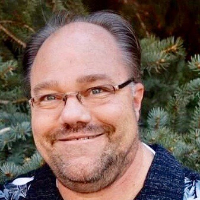
Therapist profile
Brandon Woffinden, LCMHC
Utah
Licensed counselor - Anger and mood concerns
Continue with BrandonKey details
- CredentialsLCMHC
- LicenseLCMHC, Utah / 6526381-6004
- NPI1366799959
- Experience10 years
- LanguagesEnglish
- LocationUtah
About
- CBT and DBT tools
- Mindfulness exercises
- Breathing and reframing
About Brandon
Brandon Woffinden is a Licensed Clinical Mental Health Counselor (LCMHC) in Utah with ten years of clinical experience. He works with adults facing stress, anxiety, addictions, trauma and abuse, grief, low self-esteem, anger, and related concerns. Brandon also supports people dealing with career pressure, bipolar disorder, depression, ADHD, and issues around intimacy and parenting.
He trained at the University of Phoenix and holds a master’s degree in Clinical Mental Health Counseling. Before counseling he spent a decade in law enforcement, which shaped his practical approach to coping and resilience. Brandon draws on a mix of therapies and hands-on techniques rather than a single method.
Sessions focus on concrete skills and short exercises. He commonly uses cognitive behavioral therapy and dialectical behavior therapy tools. Clients may work on breathing and mindfulness exercises, cognitive reframing, and simple behavioral steps to reduce reactivity and manage anger.
He also uses guided meditation, emotional freedom techniques, and conversational work about values and meaning. That combination is aimed at helping people notice triggers, interrupt unhelpful patterns, and build new habits for handling strong feelings.
Many people come to him seeking practical strategies they can use at work or at home. He offers shorter session options according to his scheduling structure and asks people to complete a brief matching questionnaire before the first meeting. The emphasis is on steady, usable tools rather than theory-heavy sessions.
How sessions work
How Brandon’s approaches translate to online work
Brandon commonly uses cognitive behavioral therapy and dialectical behavior therapy in everyday language. CBT focuses on identifying unhelpful thoughts and changing small behaviors to reduce symptoms like anxiety, low mood, and reactive anger. DBT teaches practical skills for managing intense emotions, improving distress tolerance, and handling interpersonal stress.He also incorporates client-centered ideas in how sessions are run, placing the client's goals and values at the center of each plan. Choosing an approach is collaborative - he will work with the client to try methods that match the person’s needs and preferences, and adjust tools over time based on what helps.
The practical benefits of online sessions include fitting meetings into a busy schedule and making it easier to keep short, focused check-ins. The original biography does not list specific session formats, so confirm current session options before booking. Many people find online meetings useful for practicing at-home skills, keeping regular momentum, or scheduling brief sessions around work or family commitments.
Areas of focus
Areas of expertise
Also works with
Additional focus areas
Therapeutic approaches
Experience
10+ years
Listed in
Utah
Languages
English
Questions
Frequently asked questions
Which anger-related problems does he address?
He supports adults dealing with anger, stress, relationship conflict, resentment, and related concerns listed in his specialties.
What is his general therapy style?
He uses practical, skills-focused work with conversational check-ins and short exercises such as breathing, mindfulness, and cognitive reframing.
How long has he been practicing?
He has ten years of clinical experience and previously spent ten years working in law enforcement.
What are his credentials and where is he based?
He is a Licensed Clinical Mental Health Counselor (LCMHC) in Utah.
Which languages are available for sessions?
Sessions are offered in English.
Can international clients work with him?
He does not accept international clients at this time.
How are sessions arranged and what does it cost?
Cost varies with location and sessions use a subscription that can be canceled at any time.
What do I need to do to start?
Select the See online therapy options button, complete a short matching questionnaire, and schedule a first session.
Details come from information the therapist supplied to BetterHelp. A license can be checked with the state board.
Online talk therapy is not emergency care. If anyone is unsafe, use the crisis numbers.