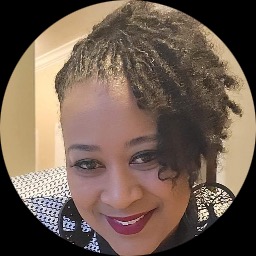
Therapist profile
Eva Lewis Supel, LCMHC
North Carolina
LCMHC - Anger and Emotional Regulation
Continue with EvaKey details
- CredentialsLCMHC
- LicenseLCMHC, North Carolina / 10756
- NPI1235574633
- Experience10 years
- LanguagesEnglish
- LocationNorth Carolina
About
- Client-Centered Therapy
- EMDR when appropriate
- Motivational Interviewing
About Eva
Eva Lewis Supel is a Licensed Clinical Mental Health Counselor (LCMHC) practicing in North Carolina with 10 years of experience. She works with adults facing stress, anxiety, addictions, depression, grief, anger, relationship and intimacy issues, parenting concerns, and identity-related challenges including LGBT matters.
Her style centers on straightforward, person-focused conversations. She listens to what is happening now, and helps people break problems into manageable steps. Sessions often aim to improve communication, reduce reactivity, and restore steadier daily functioning.
Eva uses several practical approaches. Client-Centered Therapy guides the pace and focus to what the client finds most urgent. Motivational Interviewing helps people find reasons and momentum for change when they feel stuck. Solution-Focused Therapy concentrates on small, actionable shifts that add up quickly.
For trauma and more entrenched symptoms she integrates Trauma-Focused Therapy and Eye Movement Desensitization and Reprocessing (EMDR) when appropriate. This gives options for addressing painful memories alongside strategies for coping in the present.
She also works with longer-term issues such as ADHD, bipolar concerns, caregiving stress, body image, and blended family challenges. The aim is practical progress: clearer thinking, fewer explosive reactions, and better handling of stressful situations.
To begin, people complete a short matching questionnaire and schedule a first session. Costs vary by location and use a subscription that can be canceled at any time.
How sessions work
Therapeutic approaches and how online sessions work
Client-Centered Therapy focuses on the client's priorities and pace, supporting clearer thinking and better emotional regulation through attentive listening and reflection. EMDR, when used, offers a structured method for processing distressing memories and reducing their emotional hold, which can help when anger links to past trauma. Motivational Interviewing helps people identify their own reasons to change patterns of reactivity and to build steady momentum toward different behaviors.Choosing the right approach is part of the work. The therapist and client will look at goals, current difficulties, and what methods feel most useful. That process is collaborative and may shift over time as needs change.
The original profile does not list specific session formats, so confirm the options before booking. Online work can make it easier to fit sessions into a busy week, shorten routine check-ins when needed, and reduce travel time. It also allows sessions to focus on practical skills for handling anger in daily life, such as brief behavioral exercises, communication practice, and stepwise plans for managing triggers.
Areas of focus
Areas of expertise
Primary focus
Also works with
Additional focus areas
Therapeutic approaches
Experience
10+ years
Listed in
North Carolina
Languages
English
Questions
Frequently asked questions
What concerns does she address related to anger?
She supports adults dealing with anger, snapping at loved ones, workplace frustration, and built-up resentment. Anger appears alongside other issues like anxiety, trauma, and relationship strain.
How would she approach temper and reactivity in sessions?
Her approach is pragmatic and person-focused, using client-centered conversations and brief, actionable steps. Techniques aim to reduce reactivity and improve communication.
What is her background and experience?
She has 10 years of clinical experience working with adults on stress, trauma, mood concerns, and relationship issues. That experience informs practical strategies for managing anger and related problems.
What credential does she hold and where is she based?
She is a Licensed Clinical Mental Health Counselor (LCMHC) in North Carolina.
Does she work with people who live outside the United States?
Sessions are offered to international clients as noted; services are provided in English.
What session formats are available?
The original biography does not list specific session formats. Confirm the current session options before booking.
How much do sessions cost?
Cost varies with location and sessions use a subscription that can be canceled at any time.
How do I start working with her?
Begin by selecting the See online therapy options button, completing a short matching questionnaire, and scheduling a first session.
Details come from information the therapist supplied to BetterHelp. A license can be checked with the state board.
Online talk therapy is not emergency care. If anyone is unsafe, use the crisis numbers.