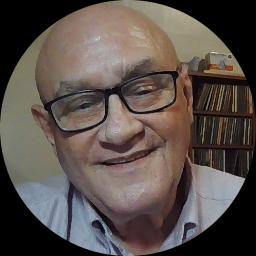
Therapist profile
Steven Forsyth, LPC
Missouri
Licensed Professional Counselor - Anger and Addictions
Continue with StevenKey details
- CredentialsLPC
- LicenseLPC, Missouri / 2019046401
- NPI1245986942
- Experience25 years
- LanguagesEnglish
- LocationMissouri
About
- CBT approaches
- EMDR informed work
- Motivational interviewing
About Steven
Steven Forsyth is a Licensed Professional Counselor (LPC) practicing in Missouri with 25 years of experience. He works with adults on common concerns such as stress, anxiety, addictions, grief, relationship strain, and anger. He also helps people dealing with sleep or eating issues, ADHD, self-esteem, and life transitions.
Forsyth draws on decades of work with people in recovery and those facing ongoing behavior challenges. He began his counseling work after entering recovery himself in 1982 and has a long history of using cognitive and behavioral approaches. His background includes Rational Emotive Therapy that evolved into Cognitive Behavioral Therapy, plus later study in narrative ideas and transactional analysis.
More recently he has studied Acceptance and Commitment Therapy, Motivational Interviewing, relapse prevention strategies, solution-focused techniques, and EMDR. He completed an EMDR-related certification through EMDRIA International Institute in November 2021. He describes his outlook as positive and energetic and sees clients as the sum of their life experiences.
In sessions he tends to combine practical tools with conversational work. Expect goal-focused steps such as identifying thinking patterns, building coping skills, and addressing behavior change stages. He also offers approaches aimed at trauma processing when appropriate.
Steven works with adults in Missouri and accepts international clients. Sessions use a subscription model that can be canceled at any time, and fees vary by location. To begin, clients complete a short matching questionnaire and schedule a first session.
How sessions work
How Steven Uses ACT, CBT and EMDR Online
Acceptance and Commitment Therapy (ACT) helps people notice unhelpful thoughts and choose actions that align with what matters to them. It is useful for stress, anxiety, and coping with life changes. Cognitive Behavioral Therapy (CBT) focuses on identifying and changing thinking and behavior patterns that keep problems going, which can help with anger, depression, and addiction-related behaviors. Eye Movement Desensitization and Reprocessing (EMDR) is an approach used to process traumatic memories that continue to cause distress; it is often used when trauma or abuse is part of the presenting problem.Finding the right mix of these approaches is part of the work. The therapist collaborates with each person to decide which methods fit their goals and preferences, and may shift strategies as needs change. That collaborative process helps shape practical steps and a plan for change.
The biography does not list specific session formats, so confirm the available online options before booking. Online sessions can make it easier to fit counseling into a busy life by reducing travel, allowing shorter check-ins, and offering more flexible scheduling. Many people find virtual sessions practical for maintaining regular work on anger, addiction recovery, or trauma processing while keeping therapy workable around everyday responsibilities.
Areas of focus
Areas of expertise
Primary focus
Also works with
Additional focus areas
Therapeutic approaches
Experience
25+ years
Listed in
Missouri
Languages
English
Questions
Frequently asked questions
What kinds of problems does he help with?
He works with stress, anxiety, addictions, depression, anger, grief, intimacy issues, sleep and eating concerns, ADHD, and related life changes.
What is his therapeutic style?
He uses practical, conversational methods that blend cognitive-behavioral tools, mindfulness, and client-centered work to address thoughts and behaviors.
How much experience does he have?
He has 25 years of counseling experience and a long history working with people in recovery since 1982.
What credentials and location should I know about?
He is an LPC (Licensed Professional Counselor) in Missouri and practices there while accepting international clients.
Can I work with him if I speak another language?
Sessions are offered in English.
What session formats are offered?
The original biography does not list specific session formats; please confirm current session options before booking.
How are fees handled?
Costs vary with location and sessions use a subscription that can be canceled at any time.
How do I get started?
Select the See online therapy options button, complete a short matching questionnaire, and schedule a first session.
Details come from information the therapist supplied to BetterHelp. A license can be checked with the state board.
Online talk therapy is not emergency care. If anyone is unsafe, use the crisis numbers.