
Cheryl Marrow
LPC, LMFTDistrict of Columbia · 25 yrs exp
Licensed counselor - relationships and anger
Addictions · Relationship · Family · Intimacy-related issues · +4 more
Read profileTherapist listings are provided by BetterHelp. We will earn a commission at no additional cost to you if you use our links to purchase.
Use these profiles to compare therapists who list anger and frustration as an area of work in the District of Columbia. You can review focus areas, approaches, languages and credentials to find professionals who may match what you need.
Browse profiles to learn more about each clinician and check the listed location and details on their page. Confirm with any clinician that they have permission to work with you where you live before beginning.
District of Columbia · 25 yrs exp
Licensed counselor - relationships and anger
Addictions · Relationship · Family · Intimacy-related issues · +4 more
Read profile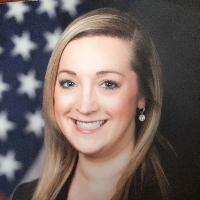
District of Columbia · 15 yrs exp
Licensed clinical social worker - relationships and anger
Relationship · Family · Trauma and abuse · Self esteem · +12 more
Read profile
District of Columbia · 19 yrs exp
Licensed Professional Counselor - Anger and Trauma
Addictions · LGBT · Relationship · Trauma and abuse · +11 more
Read profile
District of Columbia · 29 yrs exp
Licensed social worker - Anger and mood concerns
Stress, Anxiety · Relationship · Trauma and abuse · Self esteem · +11 more
Read profile
District of Columbia · 35 yrs exp
DC Psychologist - Relationships and Anger
Relationship · Family · Intimacy-related issues · Self esteem · +12 more
Read profile
District of Columbia · 30 yrs exp
LICSW - Anger and Relationship Concerns
Stress, Anxiety · Relationship · Self esteem · Depression · +12 more
Read profile
District of Columbia · 10 yrs exp
Licensed Professional Counselor - Anger and Relationships
Stress, Anxiety · Relationship · Grief · Intimacy-related issues · +9 more
Read profile
District of Columbia · 20 yrs exp
Licensed counselor - Anger and relationships
Relationship · Family · Trauma and abuse · Depression · +14 more
Read profile
District of Columbia · 23 yrs exp
Licensed clinical social worker - grief and anger
Stress, Anxiety · Grief · Self esteem · Depression · +14 more
Read profile
District of Columbia · 15 yrs exp
Licensed social worker - Anger and relationships
Stress, Anxiety · Relationship · Family · Trauma and abuse · +9 more
Read profile
District of Columbia · 30 yrs exp
LICSW - Anger and Relationship Concerns
Family · Parenting · Career · Coping with life changes · +13 more
Read profile
District of Columbia · 14 yrs exp
Licensed Professional Counselor - Anger and Relationships
Stress, Anxiety · Relationship · Trauma and abuse · Anger · +10 more
Read profile
District of Columbia · 29 yrs exp
Dr. Alicia Moran - LPC, anger and stress
Stress, Anxiety · Trauma and abuse · Anger · Self esteem · +5 more
Read profile
District of Columbia · 15 yrs exp
LICSW - Anger and Relationship concerns
Stress, Anxiety · Relationship · Family · Trauma and abuse · +5 more
Read profile
District of Columbia · 20 yrs exp
LICSW therapist - addiction and trauma focus
Addictions · LGBT · Trauma and abuse · Depression · +12 more
Read profile
District of Columbia · 5 yrs exp
LICSW - Anger and Relationship Support
Stress, Anxiety · Relationship · Family · Self esteem · +11 more
Read profile
District of Columbia · 24 yrs exp
Licensed clinical social worker - Anger and relationships
Stress, Anxiety · Relationship · Family · Trauma and abuse · +15 more
Read profile
District of Columbia · 10 yrs exp
LICSW focusing on Anger and Stress
Stress, Anxiety · Family · Trauma and abuse · Grief · +12 more
Read profile
District of Columbia · 10 yrs exp
LICSW - Stress and Anger support
Stress, Anxiety · Addictions · Depression · LGBT · +9 more
Read profile
District of Columbia · 6 yrs exp
Licensed social worker - anger and relationships
Stress, Anxiety · Depression · Coping with life changes · LGBT · +13 more
Read profileWhen you are looking for help with irritability, outbursts, resentment or stress, you are often trying to make sense of how these feelings show up in daily life. Anger can affect your work performance, your relationships, and your sense of calm. It may present as sudden outbursts, a persistent low-grade irritability, or simmering resentment that gets in the way of communication and trust. You may also notice physical signs like tension, headaches, or trouble sleeping, and emotional patterns such as shame about losing control or fear of damaging important connections.
Seeking support is about exploring patterns and practical coping strategies, and about finding a clinician whose focus and style fit how you prefer to work. Some people want help with short-term problem solving around specific triggers at work or home, while others are interested in exploring the longer-term roots of anger and how it connects with stress, grief, or past experiences. Be honest with yourself about what you want to address so you can ask potential clinicians clear, concrete questions about their experience and approach.
This page groups profiles under the listed location District of Columbia, but that grouping is not evidence of an office, physical proximity, eligibility for every resident, or an active license in that location. Profiles may include clinicians who practice in different countries or who offer online sessions, so you should check each profile carefully and confirm directly with the clinician that they have permission to work with you where you live. Do not assume that a degree alone establishes legal permission to provide care in your jurisdiction.
Degrees such as PhD, PsyD, MD, MA, and MSW indicate academic training but are not the same as professional permission to practice. In the United States, clinicians may hold state licenses. In the United Kingdom and Australia, professionals may list registration or membership with professional bodies. Profiles in the directory reflect what each clinician lists about their education and professional standing. If having a clinician who holds a particular license, registration, or membership is important to you, ask them to explain what that credential means in terms of the services they can legally provide in the District of Columbia or in your location.
When you contact a clinician, clear, specific questions will give you better information than general queries. Ask whether they have experience working with the specific patterns you face - for example, chronic irritability, episodic shouting or aggression, work-related anger, or long-standing resentment after a relationship breakdown. Ask them to describe how they typically approach those concerns and to explain the kinds of strategies they might use. If you see a term or modality listed that interests you, such as mindfulness, cognitive approaches, or therapists who list EMDR among their approaches, ask the clinician to describe what that looks like in practice and what you might expect from early sessions.
It is reasonable to ask about their experience with related issues that matter to you, such as trauma, substance use, or family conflict, and to ask whether they work with adults, adolescents, couples, or families if that matters for your situation. You can also ask for examples of what a typical conversation or homework might be like so you can imagine how their style fits your preferences. Keep in mind that a clinician listing an approach does not in itself prove specialized certification or training in that approach; use the conversation to clarify the clinician's background and how they tailor their work to individual clients.
If you are considering online sessions with someone listed under the District of Columbia, discuss practical and safety topics before you begin. Start by confirming whether the clinician is permitted to work with clients located in the District of Columbia at the time you plan to meet. Ask about the technology they use and what to do if you experience technical problems during a session. Clarify how they handle emergencies and urgent safety concerns so you know what steps will be taken if you or someone close to you is at risk. Anyone in danger should contact emergency services or a domestic-abuse helpline immediately.
Talk about how you and the clinician will manage information-sharing boundaries in the context of online work, what to expect about session length and boundaries, and how they document care. If language or cultural background matters to you, ask whether they have experience working with people who share your language or cultural perspective. You should also ask how they handle cross-jurisdictional practice - for example, whether they can continue working with you if you travel or move - and be prepared to confirm those details in writing if needed.
Comparing profiles is most useful when you center what matters to you. Read descriptions for language offerings if you prefer to speak in something other than English. Look for clinicians who list areas of focus that match your concerns - for example, workplace anger, relationship conflict, or difficulty managing daily irritability. Note how clinicians describe their style. Some emphasize a direct, skills-focused approach while others highlight reflective exploration of feelings and history. Think about whether you prefer a practical problem-solving tone or a more exploratory conversation about patterns and meaning.
Pay attention to the credentials listed, and remember to separate academic degrees from professional permission to practice. If you see a degree like MSW or PhD, ask whether that clinician also holds a state license, UK registration, or Australian membership that allows them to provide care to people in your location. Use profile details to generate targeted questions - for instance, ask how they typically work with clients who have recurring outbursts, how they track progress, and how they measure what is helpful from session to session. Ultimately, the best match is one where you feel understood and able to ask plain questions about the clinician's experience, approach, and how they will handle practical matters such as safety and cross-jurisdiction work.
Searching for help with anger and frustration is a personal process. Profiles on this site are a starting point to help you compare focus areas, approaches, languages and credentials. Confirm details on each profile and speak directly with clinicians to make sure they can legally and practically work with you where you live before you begin.
Addictions
5737 therapists
ADHD
5401 therapists
Bipolar
5157 therapists
Chronic Illness
2195 therapists
Chronic Pain
2195 therapists
Control Issues
4602 therapists
Depression
8496 therapists
Domestic Violence
3252 therapists
Grief
7547 therapists
Guilt and Shame
6113 therapists
Impulsivity
3846 therapists
Isolation / Loneliness
5756 therapists
Mood Disorders
4918 therapists
Panic Disorder and Panic Attacks
4629 therapists
Post-Traumatic Stress
5269 therapists
Self Esteem
8406 therapists
Sleeping Disorders
3339 therapists
Stress & Anxiety
8812 therapists
Trauma and Abuse
7734 therapists
Career
6179 therapists
Caregiver Issues and Stress
4436 therapists
Codependency
4288 therapists
Communication Problems
6455 therapists
Coping with Life Changes
8020 therapists
Divorce
4838 therapists
Family
7660 therapists
Family of Origin Issues
3317 therapists
Forgiveness
5565 therapists
Infidelity
3424 therapists
Jealousy
3429 therapists
Money and Financial Issues
2747 therapists
Parenting
6670 therapists
Relationship
7984 therapists
Workplace Issues
4831 therapists