
Alicia Clement
LPCMichigan · 5 yrs exp
Licensed Professional Counselor - Stress and Anger
Stress, Anxiety · Relationship · Family · Self esteem · +12 more
Read profileTherapist listings are provided by BetterHelp. We will earn a commission at no additional cost to you if you use our links to purchase.
Use the profiles on this page to compare professionals listed in the Michigan location who include anger and frustration among their specialties. Review credentials, approaches, languages and focus areas, then browse profiles to learn more and reach out to therapists whose profile fits your needs.
Michigan · 5 yrs exp
Licensed Professional Counselor - Stress and Anger
Stress, Anxiety · Relationship · Family · Self esteem · +12 more
Read profile
Michigan · 30 yrs exp
LMSW counselor - Anger and trauma
Trauma and abuse · Grief · Parenting · Anger · +9 more
Read profile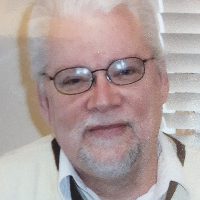
Michigan · 45 yrs exp
Licensed Professional Counselor - Anger and Addiction
Stress, Anxiety · Addictions · Trauma and abuse · Grief · +10 more
Read profile
Michigan · 15 yrs exp
Licensed Professional Counselor - Anger and Stress
Stress, Anxiety · Anger · Self esteem · Depression · +10 more
Read profile
Michigan · 21 yrs exp
Licensed LMSW - Anger and Relationships
Stress, Anxiety · Relationship · Family · Bipolar · +14 more
Read profile
Michigan · 26 yrs exp
Licensed LMSW - Anger and Anxiety
Stress, Anxiety · Trauma and abuse · Self esteem · Depression · +16 more
Read profile
Michigan · 15 yrs exp
Licensed Professional Counselor - Anger and Relationship Support
Stress, Anxiety · Relationship · Family · Trauma and abuse · +9 more
Read profile
Michigan · 31 yrs exp
LMSW counselor - anger and relationship concerns
Stress, Anxiety · Family · Trauma and abuse · Self esteem · +16 more
Read profile
Michigan · 10 yrs exp
Licensed Professional Counselor - Anger and Stress
Stress, Anxiety · Family · Trauma and abuse · Grief · +12 more
Read profile
Michigan · 6 yrs exp
Licensed Professional Counselor - Anger, Relationships
Stress, Anxiety · Relationship · Self esteem · Depression · +7 more
Read profile
Michigan · 10 yrs exp
Licensed Master Social Worker - Anxiety and Anger
Stress, Anxiety · Addictions · Relationship · Family · +12 more
Read profile
Michigan · 8 yrs exp
LMSW counselor - Anger and emotional regulation
Stress, Anxiety · Self esteem · Career · Depression · +16 more
Read profile
Michigan · 14 yrs exp
LICSW focused on anger and stress
Stress, Anxiety · Addictions · Family · Trauma and abuse · +12 more
Read profile
Michigan · 15 yrs exp
LMSW - Stress and Anger support
Stress, Anxiety · LGBT · Relationship · Depression · +16 more
Read profile
Michigan · 20 yrs exp
LMSW - Anger and relationship concerns
LGBT · Family · Intimacy-related issues · Parenting · +1 more
Read profile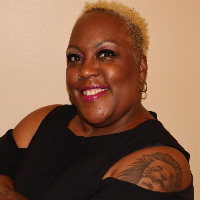
Michigan · 15 yrs exp
LISW clinician - Anger and relationships
Stress, Anxiety · Trauma and abuse · Grief · Depression · +11 more
Read profile
Michigan · 22 yrs exp
Licensed Professional Counselor - Anger and Addictions
Stress, Anxiety · Addictions · Trauma and abuse · Grief · +10 more
Read profile
Michigan · 35 yrs exp
MI Psychologist - Anger and Relationship Concerns
Stress, Anxiety · Relationship · Family · Self esteem · +16 more
Read profile
Michigan · 33 yrs exp
Michigan psychologist focused on anxiety and anger
Stress, Anxiety · Parenting · Coping with life changes · Addictions · +7 more
Read profile
Michigan · 10 yrs exp
Licensed social worker - Anger and relationships
Addictions · Relationship · Trauma and abuse · Self esteem · +16 more
Read profile
Michigan · 20 yrs exp
Licensed Professional Counselor - Anger and Mood concerns
Stress, Anxiety · Addictions · Bipolar · Depression · +13 more
Read profile
Michigan · 17 yrs exp
Licensed Professional Counselor - Anger and Stress
Stress, Anxiety · Anger · Self esteem · Depression · +8 more
Read profile
Michigan · 9 yrs exp
LMSW working with anger and relationship issues
Stress, Anxiety · Addictions · Relationship · Trauma and abuse · +15 more
Read profile
Michigan · 10 yrs exp
Licensed Professional Counselor - Anger and Life Stress
Stress, Anxiety · Parenting · Anger · Career · +11 more
Read profile
Michigan · 24 yrs exp
LMSW focused on anger and mood challenges
Stress, Anxiety · Grief · Self esteem · Depression · +15 more
Read profile
Michigan · 24 yrs exp
Licensed LMSW - Anger and Stress
Stress, Anxiety · Relationship · Family · Parenting · +11 more
Read profile
Michigan · 22 yrs exp
Licensed Professional Counselor - Anger and Life Stress
Stress, Anxiety · Grief · Anger · Self esteem · +16 more
Read profile
Michigan · 15 yrs exp
Licensed LMSW - Anger and Stress
Stress, Anxiety · Self esteem · Depression · Addictions · +8 more
Read profile
Michigan · 25 yrs exp
Licensed Professional Counselor - Anger and Relationships
Relationship · Family · Anger · Self esteem · +11 more
Read profile
Michigan · 10 yrs exp
Licensed Professional Counselor - Anger and Addictions
Stress, Anxiety · Addictions · Relationship · Trauma and abuse · +11 more
Read profile
Michigan · 20 yrs exp
LMFT - Relationships and Anger
Stress, Anxiety · Relationship · Parenting · Depression · +12 more
Read profile
Michigan · 24 yrs exp
LMSW focused on anger and relationships
Stress, Anxiety · Addictions · Relationship · Family · +15 more
Read profile
Michigan · 8 yrs exp
Licensed Professional Counselor - Anger and Relationships
Stress, Anxiety · Relationship · Trauma and abuse · Self esteem · +10 more
Read profile
Michigan · 6 yrs exp
Licensed Professional Counselor - Stress and Anger
Stress, Anxiety · Addictions · Trauma and abuse · Anger
Read profile
Michigan · 25 yrs exp
Dr. Elaine Beauchamp, LMSW - Anger and Mood Concerns
Stress, Anxiety · Addictions · Grief · Self esteem · +15 more
Read profile
Michigan · 7 yrs exp
Licensed Professional Counselor - Anger and Relationships
Stress, Anxiety · Relationship · Trauma and abuse · Grief · +12 more
Read profile
Michigan · 17 yrs exp
LMSW therapist - Anger and relationship issues
Stress, Anxiety · Addictions · Relationship · Grief · +13 more
Read profile
Michigan · 5 yrs exp
Licensed Professional Counselor - Anger and Family concerns
Stress, Anxiety · Family · Parenting · Anger · +1 more
Read profile
Michigan · 7 yrs exp
LMSW in Michigan - Anger and Stress work
Stress, Anxiety · Trauma and abuse · Self esteem · Depression · +10 more
Read profile
Michigan · 30 yrs exp
LMSW counselor - anger and relationships
Stress, Anxiety · LGBT · Relationship · Trauma and abuse · +16 more
Read profile
Michigan · 38 yrs exp
Licensed LMSW - Anger and Relationships
Stress, Anxiety · Family · Trauma and abuse · Parenting · +14 more
Read profile
Michigan · 20 yrs exp
Licensed counselor - Anger and relationships
Stress, Anxiety · LGBT · Relationship · Family · +11 more
Read profile
Michigan · 18 yrs exp
LPC in Michigan - anger and relationship support
Stress, Anxiety · Relationship · Grief · Self esteem · +14 more
Read profile
Michigan · 24 yrs exp
Licensed Professional Counselor - Anger and Anxiety
Stress, Anxiety · Parenting · Self esteem · Depression · +9 more
Read profile
Michigan · 18 yrs exp
LMFT - Anger and Relationship concerns
Stress, Anxiety · Relationship · Grief · Self esteem · +6 more
Read profile
Michigan · 7 yrs exp
Licensed Marriage and Family Therapist - Anger and Relationships
Stress, Anxiety · Relationship · Grief · Self esteem · +12 more
Read profile
Michigan · 15 yrs exp
Licensed Professional Counselor - Stress and Anger
Stress, Anxiety · Relationship · Trauma and abuse · Depression · +10 more
Read profile
Michigan · 12 yrs exp
Clinical Psychologist - Anger and Addictions
Stress, Anxiety · Addictions · Family · Trauma and abuse · +9 more
Read profile
Michigan · 25 yrs exp
LMSW therapist - Anger and life transitions
Stress, Anxiety · Grief · Self esteem · Depression · +12 more
Read profile
Michigan · 8 yrs exp
Licensed Professional Counselor - Anger and Trauma
Family · Trauma and abuse · Depression · Coping with life changes · +10 more
Read profile
Michigan · 17 yrs exp
LMSW - Anger and Relationship concerns
Stress, Anxiety · Relationship · Family · Trauma and abuse · +8 more
Read profile
Michigan · 8 yrs exp
Licensed Marriage and Family Therapist - Relationships and Anger
Stress, Anxiety · Relationship · Self esteem · Coping with life changes · +12 more
Read profile
Michigan · 13 yrs exp
LMSW - Anger and trauma focused clinician
Stress, Anxiety · Addictions · Trauma and abuse · Bipolar · +16 more
Read profile
Michigan · 19 yrs exp
Licensed Professional Counselor - Anger and Relationships
Stress, Anxiety · Relationship · Family · Parenting · +11 more
Read profile
Michigan · 19 yrs exp
LCSW in Michigan - Mood and relationship concerns
Stress, Anxiety · Addictions · Trauma and abuse · Bipolar · +10 more
Read profile
Michigan · 10 yrs exp
Licensed Clinical Social Worker - Anger and Relationships
LGBT · Relationship · Trauma and abuse · Anger · +9 more
Read profile
Michigan · 8 yrs exp
Licensed Professional Counselor - Anger and Anxiety
Stress, Anxiety · Grief · Self esteem · Depression · +11 more
Read profile
Michigan · 12 yrs exp
LPC LPCC - Addiction and Anger work
Addictions · Relationship · Trauma and abuse · Self esteem · +11 more
Read profile
Michigan · 28 yrs exp
LMSW in Michigan - anger and stress work
Stress, Anxiety · Trauma and abuse · Anger · Depression · +15 more
Read profile
Michigan · 14 yrs exp
LPC in Michigan - Anger and Addictions
Addictions · Trauma and abuse · Parenting · Anger · +10 more
Read profileWhen you start looking for help around irritability, sudden outbursts, lingering resentment or stress that affects work and relationships, it helps to name what you are experiencing. Irritability can feel like a low hum of frustration that wears on you and the people around you. Outbursts may be loud or brief, and they can leave you feeling regretful afterward. Resentment often builds over time and changes how you relate to partners, friends or colleagues. Stress can make it harder to regulate emotions and may increase the frequency or intensity of angry reactions. All of these experiences interact with sleep, substance use, health, and daily responsibilities.
Describing your concerns clearly on intake forms or in an initial message helps you and a prospective therapist see whether a match is likely. You might explain what typically triggers angry feelings, how long the anger lasts, whether you worry about losing control, and how anger affects your work performance or close relationships. You do not need to have a diagnosis to search for help. Be mindful that profiles list that a therapist works with anger-related topics, but that is not the same as a specialized certification. If anyone is in immediate danger, call emergency services or contact a domestic-abuse helpline right away.
Profiles on this page are grouped under the listed location Michigan. That grouping helps you narrow searches geographically, but it does not guarantee an office presence or that every professional can work with people in every part of Michigan. Check the individual profile and confirm permission to work together where you live before relying on any profile detail. In the United States, clinicians often hold state licenses that grant permission to practice within specific jurisdictions. In the UK and Australia, professionals may be registered with a regulator or be members of professional associations; the terminology and rules differ across countries. Academic degrees such as PhD, PsyD, MD, MA or MSW describe completed training and study. A degree by itself does not prove current permission to practice in any location. When you read a profile, notice whether the listing distinguishes academic credentials from professional licenses, registrations or memberships and whether the clinician indicates where they are authorized to provide care.
When you review profiles, prepare concrete questions that help you compare therapy approaches and lived experience. Ask how the clinician typically works with anger-related issues and request examples of the kinds of techniques they might discuss. You can ask whether the therapist has experience helping people whose anger is expressed as irritability, repeated outbursts, or chronic resentment, and whether they have worked with anger that affects parenting, intimate relationships, or workplace interactions. If a profile lists specific approaches, consider asking phrased questions such as - "I see you list CBT among your approaches; how might that look in sessions focused on managing outbursts?" or "You list mindfulness-related approaches - can you describe how those tools are integrated into work on frustration?" These kinds of concrete questions help you see whether a clinician's way of working fits your needs, without assuming they use every approach they list. Also ask about session structure, what a typical early session covers, and how progress is reviewed - this gives you a sense of pace and style rather than an availability promise.
Online talk therapy can be a convenient way to connect with a professional, but it is important to be clear about its scope. Online talk therapy is not a court-ordered anger-management course or certificate. If you are seeking a court-mandated program, clarify with the organization requiring that program what format and credentials are acceptable. Before you begin an online relationship, ask a prospective clinician which jurisdictions they are permitted to practice in and whether their platform or session style fits your communication needs - for example whether they use video, telephone, or messaging. Discuss expectations for emergency situations, and confirm how to reach support locally if a crisis occurs. Anyone in danger should contact emergency services or a domestic-abuse helpline. Talk with the clinician about how information-sharing boundaries is handled in remote sessions and what privacy measures you should take on your own device or in your home to maintain a comfortable environment for conversations.
When you compare profiles in Michigan, look beyond simple tags and read the narrative sections carefully. Focus areas can indicate whether a clinician frequently addresses anger as it relates to relationships, work stress, parenting, trauma or mood concerns. Consider language options listed on profiles if communicating in a particular language matters to you. Compare credentials by noting both academic degrees and professional permissions - a profile that lists a PhD or MSW alongside a state license or UK/Australian registration gives different information than a profile that lists only a degree. Think about therapeutic style too - some clinicians emphasize practical skills and short-term strategies, while others describe a reflective, exploratory approach; reflect on which style has felt helpful for you in the past.
Use specific comparison questions such as - "How do you support clients who experience frequent irritability rather than dramatic outbursts?" or "What do you do when anger affects a person's work relationships?" These targeted queries will help you choose who to contact for an introductory conversation. Keep in mind that a listed topic does not establish that the therapist treats children, couples, or families, so ask directly about scope and experience if that matters to you. Finally, check the individual profile and confirm permission to work together where you live before making arrangements. Browsing thoughtfully and asking direct questions will help you identify profiles worth exploring further and make the first outreach more focused and useful.
Addictions
5737 therapists
ADHD
5401 therapists
Bipolar
5157 therapists
Chronic Illness
2195 therapists
Chronic Pain
2195 therapists
Control Issues
4602 therapists
Depression
8496 therapists
Domestic Violence
3252 therapists
Grief
7547 therapists
Guilt and Shame
6113 therapists
Impulsivity
3846 therapists
Isolation / Loneliness
5756 therapists
Mood Disorders
4918 therapists
Panic Disorder and Panic Attacks
4629 therapists
Post-Traumatic Stress
5269 therapists
Self Esteem
8406 therapists
Sleeping Disorders
3339 therapists
Stress & Anxiety
8812 therapists
Trauma and Abuse
7734 therapists
Career
6179 therapists
Caregiver Issues and Stress
4436 therapists
Codependency
4288 therapists
Communication Problems
6455 therapists
Coping with Life Changes
8020 therapists
Divorce
4838 therapists
Family
7660 therapists
Family of Origin Issues
3317 therapists
Forgiveness
5565 therapists
Infidelity
3424 therapists
Jealousy
3429 therapists
Money and Financial Issues
2747 therapists
Parenting
6670 therapists
Relationship
7984 therapists
Workplace Issues
4831 therapists