
Mary Sudduth
LCSWVirginia · 16 yrs exp
LCSW - Stress and Anger support
Stress, Anxiety · Grief · Self esteem · Depression · +12 more
Read profileTherapist listings are provided by BetterHelp. We will earn a commission at no additional cost to you if you use our links to purchase.
Explore profiles of professionals associated with Virginia who list anger and frustration among their focus areas. Compare approaches, languages, degrees, registrations and therapeutic style, then open profiles to confirm a practitioner can work with you where you live.
Use the grid below to browse and click any profile to learn more about a practitioner's background and how they describe their work with anger-related concerns.
Virginia · 16 yrs exp
LCSW - Stress and Anger support
Stress, Anxiety · Grief · Self esteem · Depression · +12 more
Read profile
Virginia · 6 yrs exp
Licensed counselor - Anger and relationships
Stress, Anxiety · Trauma and abuse · Parenting · Depression · +4 more
Read profile
Virginia · 13 yrs exp
Licensed Professional Counselor - Anger and Anxiety
Stress, Anxiety · Anger · Self esteem · Depression · +9 more
Read profile
Virginia · 4 yrs exp
LCSW - Stress and Anger support
Stress, Anxiety · Grief · Anger · Self esteem · +10 more
Read profile
Virginia · 14 yrs exp
LPC in Virginia - Anger and Trauma support
Family · Trauma and abuse · Self esteem · Coping with life changes · +12 more
Read profile
Virginia · 10 yrs exp
LICSW counselor - Anger and relationships
Stress, Anxiety · Relationship · Family · Self esteem · +7 more
Read profile
Virginia · 15 yrs exp
Licensed Clinical Social Worker - Anger and Relationships
Stress, Anxiety · Relationship · Intimacy-related issues · Self esteem · +12 more
Read profile
Virginia · 11 yrs exp
Licensed Professional Counselor - Anger and Addictions
Stress, Anxiety · Addictions · Grief · Self esteem · +11 more
Read profile
Virginia · 9 yrs exp
Licensed counselor - Anger and mood concerns
Stress, Anxiety · Addictions · LGBT · Self esteem · +14 more
Read profile
Virginia · 5 yrs exp
Licensed Professional Counselor - Anger and Mood concerns
Stress, Anxiety · Grief · Anger · Self esteem · +1 more
Read profile
Virginia · 24 yrs exp
Licensed Professional Counselor - Anger and Mood Concerns
Addictions · LGBT · Trauma and abuse · Grief · +10 more
Read profile
Virginia · 15 yrs exp
Licensed counselor - Anger and mood concerns
Stress, Anxiety · Anger · Self esteem · Depression · +6 more
Read profile
Virginia · 13 yrs exp
LPC counselor - relationships and anger
Stress, Anxiety · Relationship · Trauma and abuse · Intimacy-related issues · +11 more
Read profile
Virginia · 10 yrs exp
Licensed Professional Counselor - Stress and Anger
Stress, Anxiety · LGBT · Self esteem · Depression · +12 more
Read profile
Virginia · 12 yrs exp
Licensed counselor - Anger and relationships
Stress, Anxiety · Relationship · Anger · Self esteem · +16 more
Read profile
Virginia · 30 yrs exp
Licensed Clinical Social Worker - Anger and Stress
Stress, Anxiety · Family · Parenting · Self esteem · +14 more
Read profile
Virginia · 8 yrs exp
Licensed Professional Counselor - Anger and Addictions
Stress, Anxiety · Addictions · LGBT · Self esteem · +12 more
Read profile
Virginia · 26 yrs exp
LCSW - Anger and Mood Concerns
Stress, Anxiety · Addictions · Anger · Bipolar · +14 more
Read profile
Virginia · 4 yrs exp
LCSW focusing on anger and mood concerns
Stress, Anxiety · Self esteem · Career · Depression · +12 more
Read profile
Virginia · 13 yrs exp
Licensed Professional Counselor - Anger and Trauma
Stress, Anxiety · Trauma and abuse · Anger · Self esteem · +11 more
Read profile
Virginia · 15 yrs exp
Licensed counselor - Anger and trauma
Stress, Anxiety · Grief · Eating · Career · +13 more
Read profile
Virginia · 19 yrs exp
Licensed Professional Counselor - Anger and Anxiety
Stress, Anxiety · Grief · Self esteem · Depression · +11 more
Read profile
Virginia · 17 yrs exp
Licensed counselor - Anger and relationships
Stress, Anxiety · Addictions · Depression · Relationship · +9 more
Read profile
Virginia · 35 yrs exp
Licensed Clinical Social Worker - Anger and Mood concerns
Stress, Anxiety · Trauma and abuse · Grief · Depression · +12 more
Read profile
Virginia · 13 yrs exp
LCSW - Anger and mood concerns
Stress, Anxiety · Addictions · Depression · Relationship · +8 more
Read profile
Virginia · 28 yrs exp
Licensed counselor - Anger and mood concerns
Stress, Anxiety · Relationship · Family · Depression · +12 more
Read profile
Virginia · 5 yrs exp
Licensed Professional Counselor - Anger and Stress
Stress, Anxiety · Trauma and abuse · Grief · Self esteem · +8 more
Read profile
Virginia · 3 yrs exp
Licensed Professional Counselor - Anger and Anxiety
Stress, Anxiety · Trauma and abuse · Self esteem · Depression · +11 more
Read profile
Virginia · 9 yrs exp
Licensed Professional Counselor - Anger and Anxiety
Stress, Anxiety · LGBT · Self esteem · Bipolar · +11 more
Read profile
Virginia · 20 yrs exp
Licensed Professional Counselor - Anger and Relationships
Stress, Anxiety · Family · Trauma and abuse · Bipolar · +12 more
Read profile
Virginia · 47 yrs exp
LCSW - Anger and relationship concerns
Stress, Anxiety · Relationship · Grief · Self esteem · +10 more
Read profile
Virginia · 19 yrs exp
Licensed Professional Counselor - Anger and Stress
Stress, Anxiety · Grief · Anger · Self esteem · +9 more
Read profile
Virginia · 12 yrs exp
Licensed Professional Counselor - Anger and Addictions
Addictions · Anger · Self esteem · Coping with life changes · +11 more
Read profile
Virginia · 11 yrs exp
Licensed Professional Counselor - Anger and Addiction
Stress, Anxiety · Addictions · Relationship · Family · +12 more
Read profile
Virginia · 10 yrs exp
LCSW in Virginia - Stress and Anger support
Stress, Anxiety · Anger · Self esteem · Depression · +7 more
Read profile
Virginia · 20 yrs exp
LICSW in Virginia - Anger and Stress
Stress, Anxiety · Addictions · Relationship · Family · +9 more
Read profile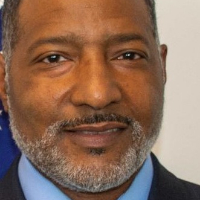
Virginia · 32 yrs exp
LCPC counselor - Anger and addiction support
Stress, Anxiety · Addictions · Anger · Depression · +10 more
Read profile
Virginia · 20 yrs exp
Licensed Clinical Social Worker - Anger and Anxiety
Stress, Anxiety · Family · Trauma and abuse · Anger · +9 more
Read profile
Virginia · 3 yrs exp
Licensed Clinical Social Worker - Anger and Stress
Stress, Anxiety · Relationship · Self esteem · Depression · +10 more
Read profile
Virginia · 6 yrs exp
LCSW - Stress and Anger support
Stress, Anxiety · Family · Trauma and abuse · Parenting · +10 more
Read profile
Virginia · 14 yrs exp
Licensed Professional Counselor - Stress and Anger
Stress, Anxiety · Grief · Anger · Depression · +1 more
Read profile
Virginia · 24 yrs exp
VA Psychologist - Anger and Trauma
Stress, Anxiety · Trauma and abuse · Grief · Self esteem · +9 more
Read profile
Virginia · 25 yrs exp
Dr. Charity Rolfes, LCP - Anger and Trauma
Stress, Anxiety · Family · Trauma and abuse · Grief · +12 more
Read profile
Virginia · 30 yrs exp
Licensed Professional Counselor - Anger and Stress
Stress, Anxiety · Relationship · Self esteem · Career · +15 more
Read profile
Virginia · 21 yrs exp
Licensed Professional Counselor - Anger and Anxiety
Stress, Anxiety · Addictions · Trauma and abuse · Grief · +10 more
Read profile
Virginia · 20 yrs exp
Dr. Darlene Anderson LPC, LCMHC - Stress and Relationship work
Stress, Anxiety · Relationship · Self esteem · Depression · +10 more
Read profile
Virginia · 10 yrs exp
Licensed Clinical Social Worker - Anger and anxiety
Stress, Anxiety · Relationship · Family · Trauma and abuse · +10 more
Read profile
Virginia · 10 yrs exp
Licensed Professional Counselor - Anger and Relationships
Stress, Anxiety · Relationship · Family · Trauma and abuse · +11 more
Read profile
Virginia · 16 yrs exp
LPC in Virginia - Anger and Relationship concerns
Stress, Anxiety · LGBT · Family · Grief · +10 more
Read profile
Virginia · 35 yrs exp
LCSW - Anger and mood concerns
Stress, Anxiety · Eating · Self esteem · Depression · +13 more
Read profile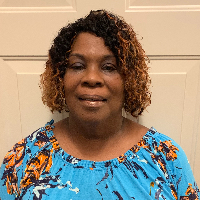
Virginia · 27 yrs exp
Licensed Professional Counselor - Anger and Addictions
Stress, Anxiety · Addictions · Anger · Self esteem · +9 more
Read profile
Virginia · 21 yrs exp
Licensed Professional Counselor - Stress and Anger
Stress, Anxiety · Family · Trauma and abuse · Self esteem · +14 more
Read profile
Virginia · 11 yrs exp
Licensed Professional Counselor - Anger and Life Stress
Stress, Anxiety · Trauma and abuse · Grief · Depression · +13 more
Read profile
Virginia · 13 yrs exp
LPC in Virginia - Anger and Relationship concerns
Stress, Anxiety · Family · Trauma and abuse · Parenting · +12 more
Read profile
Virginia · 30 yrs exp
Licensed clinical social worker - Anger and relationships
Stress, Anxiety · LGBT · Relationship · Trauma and abuse · +12 more
Read profile
Virginia · 7 yrs exp
Licensed Clinical Social Worker - Anger and Stress
Stress, Anxiety · Relationship · Self esteem · Depression · +8 more
Read profile
Virginia · 40 yrs exp
Licensed Clinical Social Worker - Stress and Anger
Stress, Anxiety · Addictions · Trauma and abuse · Grief · +16 more
Read profile
Virginia · 10 yrs exp
Licensed Professional Counselor - Anger and Trauma
Stress, Anxiety · Addictions · Trauma and abuse · Self esteem · +12 more
Read profile
Virginia · 5 yrs exp
Licensed Professional Counselor - Anger and Trauma
Stress, Anxiety · Trauma and abuse · Self esteem · Bipolar · +11 more
Read profile
Virginia · 15 yrs exp
Licensed Professional Counselor - Anger and Relationships
Relationship · Family · Trauma and abuse · Grief · +15 more
Read profileWhen you are researching help for irritability, outbursts, resentment or stress, it helps to be clear about the patterns that matter most to you. You might be noticing repeated episodes of explosive anger, frequent snappy responses, a simmering sense of resentment that affects close relationships, or stress-related irritability that undermines work performance. All of these experiences are valid reasons to look for a professional who lists anger among their focus areas. In conversation with a practitioner, describe concrete examples - what happens, where it happens, who is affected, and what you would like to be different. That clarity helps you and the practitioner decide whether their stated approaches and experience fit the particular challenges you face.
If you are worried that anger could lead to harm, or if anyone is in immediate danger, call emergency services or a local domestic-abuse helpline right away. Online resources and directory listings are not substitutes for urgent assistance. A profile listing anger as a focus does not guarantee a practitioner is the right match for crisis situations; you can ask a practitioner about safety planning and local resources during an initial conversation.
Profiles on this page are grouped by listed location Virginia. A listed location signals that a practitioner has indicated this area on their profile, but it does not by itself prove an office address, physical proximity, or current permission to practise where you live. You should check each individual profile and confirm directly with the practitioner whether they are permitted to work with clients in your state or country. Practitioners in this directory may come from the United States, the United Kingdom, Australia and other places; registration and terminology vary internationally.
Understand the difference between academic degrees and professional permissions. Academic degrees such as PhD, PsyD, MD, MA or MSW describe the practitioner’s educational background. Professional licences, registrations or memberships indicate whether a practitioner has current permission from a regulatory body to provide care in a given jurisdiction. In the United States, state licensure is typically required to offer clinical services; in the UK and Australia, registration or professional membership may be relevant. A degree alone does not establish current permission to practise. When comparing profiles, look for how each person lists credentials and then ask them to confirm their present standing and the regions where they are authorised to work.
When you review a profile, consider the concrete questions that will reveal whether a practitioner's approach matches what you need. Ask how they typically work with anger and frustration, and what strategies they commonly discuss with clients who struggle with irritability or outbursts. If a profile lists certain approaches among the ways they work, treat that as a starting point for discussion rather than proof of certification. Ask how their ways of working are adapted to individual needs, and whether they have experience with situations like yours, such as workplace-related anger, long-term resentment in relationships, or stress-driven reactivity.
Clarify scope by asking whether the practitioner has experience with the age group and relational context you are concerned about. A profile that lists anger does not automatically mean the practitioner treats children, couples or families, so bring up your specific situation and ask whether this is within their practice. Also ask how they approach cultural factors, language needs, and any relevant identity considerations, and whether they have worked with clients from similar backgrounds. Concrete examples and a short description of your goals will usually prompt a clear response about fit and experience.
If you are considering online conversations, have a conversation about the practical and clinical elements that matter. Confirm that the practitioner has permission to work with clients in your state or country and ask what arrangements they recommend for emergency contact in your area. Discuss how they handle boundaries around communication between sessions, how they manage cancellations or scheduling, and what you should expect in terms of session structure. Be explicit about any safety concerns you have and ask how they would respond if you described escalating anger or thoughts of harming yourself or others.
Remember that online talk-based care is not the same as a court-ordered anger-management course or a certificate program, and a profile listing anger does not prove training in a specific method. If you need documentation for a court or employer, raise that topic early to understand what a practitioner can and cannot provide. Also talk about technology needs and what platform or process they use for sessions, so you can ensure you have the necessary setup. Agreeing on these practical points before you begin helps you and the practitioner set clear expectations about the working relationship.
Comparing profiles effectively means looking beyond single words. Read how a practitioner describes their work with anger-related concerns, and pay attention to the focus areas they list alongside anger - for example stress management, relationship conflict, or trauma-related reactivity. Those adjacent focus areas can indicate the contexts in which a practitioner commonly sees anger. Note the languages they speak and whether they mention cultural competence or experience with specific communities; language ability can make a big difference in how comfortable you feel expressing emotional material.
Compare the credentials on profiles carefully. Look for clear statements about degrees and separate statements about licences, registrations or professional memberships. If a profile lists methods or approaches, view those items as topics to discuss rather than endorsements of certification. Finally, consider the tone and style reflected in a profile. Some practitioners describe a more direct, skills-focused approach, while others describe exploratory, insight-oriented work. Think about whether you need actionable strategies to manage outbursts and irritability or a chance to explore underlying resentments and patterns. Use short, specific questions when you contact a practitioner - for example, ask about their experience with workplace-related anger, how they support clients with high irritability, and what a typical early session addresses.
Above all, check each profile and confirm whether a practitioner can work with you where you live. Profiles grouped under the listed location Virginia provide a starting point for comparison, but the final step is a direct conversation with a practitioner about credentials, approach, boundaries and practical arrangements. That direct conversation lets you assess fit and make an informed decision about next steps.
Addictions
5737 therapists
ADHD
5401 therapists
Bipolar
5157 therapists
Chronic Illness
2195 therapists
Chronic Pain
2195 therapists
Control Issues
4602 therapists
Depression
8496 therapists
Domestic Violence
3252 therapists
Grief
7547 therapists
Guilt and Shame
6113 therapists
Impulsivity
3846 therapists
Isolation / Loneliness
5756 therapists
Mood Disorders
4918 therapists
Panic Disorder and Panic Attacks
4629 therapists
Post-Traumatic Stress
5269 therapists
Self Esteem
8406 therapists
Sleeping Disorders
3339 therapists
Stress & Anxiety
8812 therapists
Trauma and Abuse
7734 therapists
Career
6179 therapists
Caregiver Issues and Stress
4436 therapists
Codependency
4288 therapists
Communication Problems
6455 therapists
Coping with Life Changes
8020 therapists
Divorce
4838 therapists
Family
7660 therapists
Family of Origin Issues
3317 therapists
Forgiveness
5565 therapists
Infidelity
3424 therapists
Jealousy
3429 therapists
Money and Financial Issues
2747 therapists
Parenting
6670 therapists
Relationship
7984 therapists
Workplace Issues
4831 therapists